Demandbase One bundles account identification, intent data, a B2B advertising platform, website personalisation and an agent layer behind a single account record. Teams look at alternatives when they are paying for the whole bundle and using two parts of it, or when renewal forces a proper look at what the platform has actually produced.
Work out which module you are replacing
Demandbase is not one product, and that is the whole difficulty in replacing it. The bundle is its advantage while you use most of it and its weakness the moment you do not.
Before shortlisting, separate what you use from what you are billed for. Identification and intent are one job. The B2B DSP is a second. Website personalisation is a third. Agentbase is a fourth, sold as an add-on. Most teams find they lean on one or two and pay for four.
It is also worth being honest about which problem you have. Most marketing teams already know what great ABM looks like and which accounts deserve it. They are not short of a list. They are short of a way to execute against it at enterprise speed – and a bundle built around identifying accounts does not fix an execution problem.
Intent data gets weaker as your category gets narrower
Third-party intent works by mapping content consumption across publisher networks to a topic taxonomy built for the whole B2B market. That is fine if you sell something the taxonomy has a good topic for.
If you sell into a niche, the closest available topic sits several levels too broad, and what surfaces is accounts reading about the category in general rather than the thing you actually do. Teams in narrow verticals regularly find the signal is not discriminating enough to act on, and that first-party website visitor data – often already available in the marketing automation platform they pay for – tells them more about who is genuinely in market.
This is the single most common reason a specialist business stops renewing, and it has nothing to do with product quality. It is a fit problem. Two questions worth answering before renewal: which topics in the taxonomy map to what you sell, and how many of your last ten closed-won deals would the model have surfaced before your team found them?
What the bundle costs, and who it prices out
Demandbase does not publish rates, and two companies on paper-identical contracts pay very different amounts depending on which modules they switch on. Vendr's benchmark data puts the median contract at $68,591 a year across 185 purchases, ranging from $24,000 to $164,265, with onboarding reported separately.
Priced against a large programme, that is reasonable. Priced against a team running a few hundred accounts it is not, and the quote you get back will reflect an addressable market rather than the work you actually plan to do. The practical effect is a floor: below a certain size, the bundle is not built for you, and no amount of negotiating changes the shape of the model.
The six alternatives
1. 6sense – the closest like-for-like
Best for: teams replacing the identification and prediction half, and willing to stay at enterprise scale. The predictive modelling is the part 6sense is bought for.
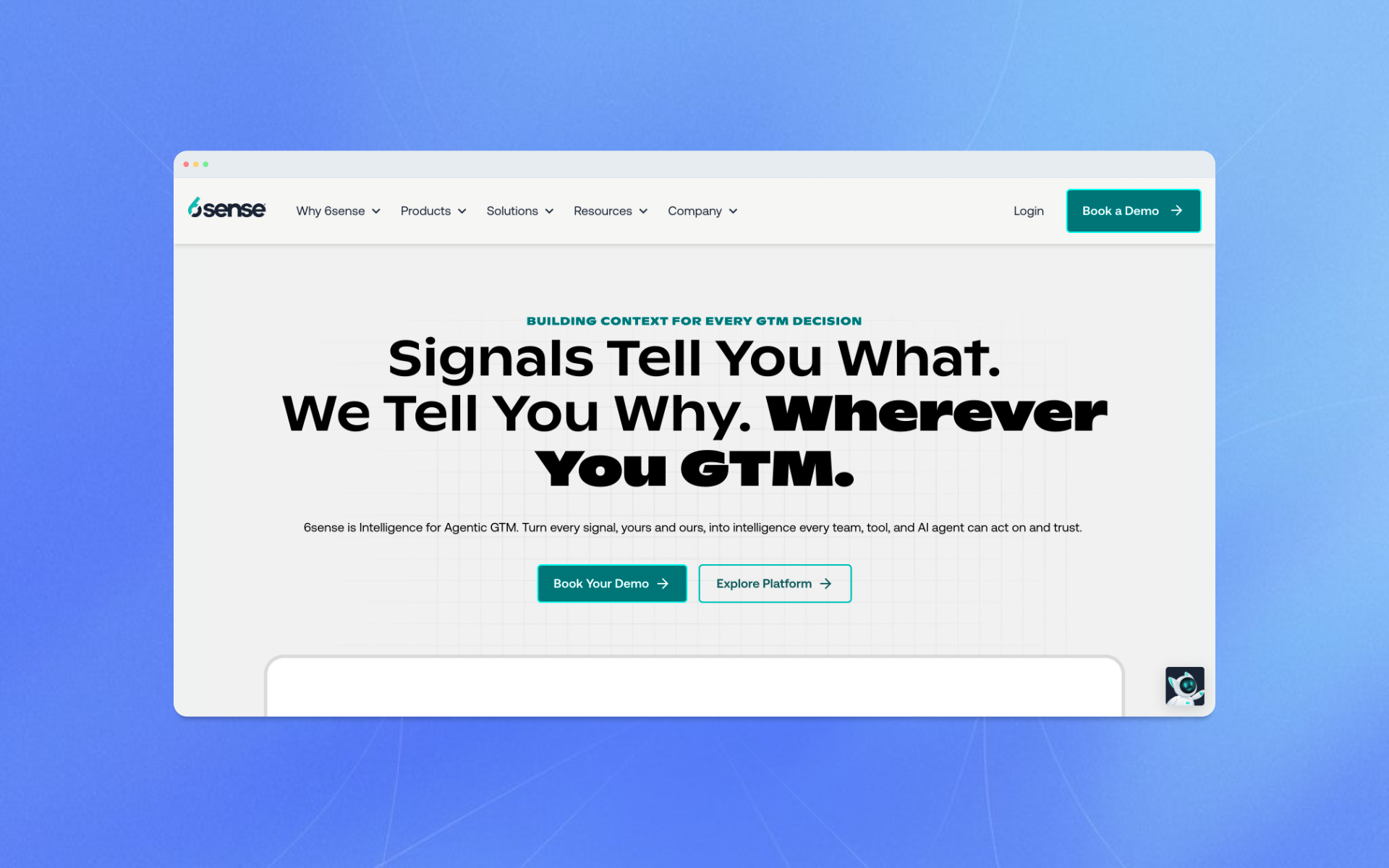
Watch out: also quote-only, also no free tier, and it runs on the same kind of topic taxonomy. If intent quality was your problem, this is not the fix.
2. ZoomInfo – if the value was the data
Best for: teams whose real dependency is contact and company data rather than orchestration.
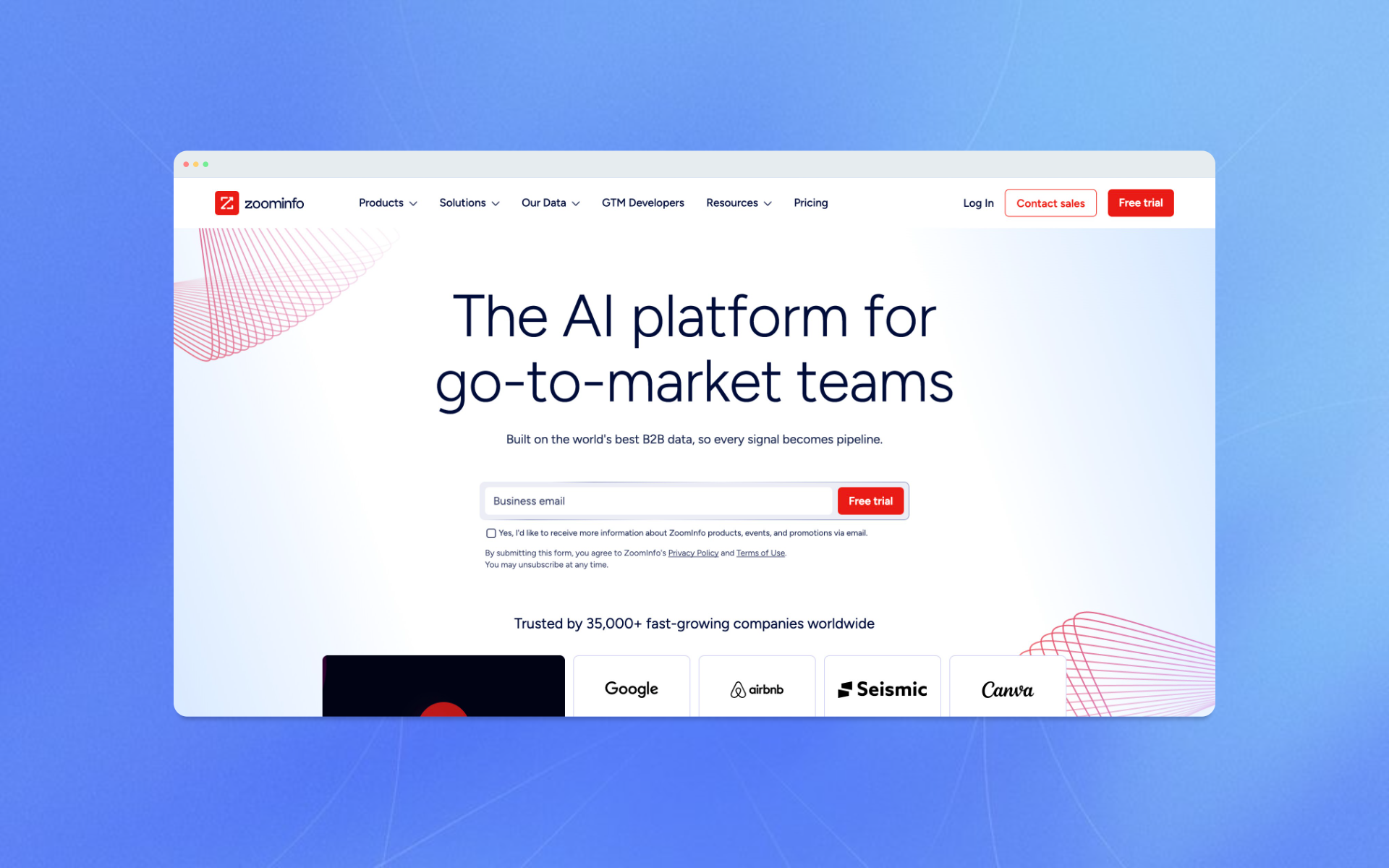
Watch out: weaker on account-level prediction and scoring. Fine if you were treating Demandbase as a database, poor if you were not.
3. Bombora – the intent feed alone
Best for: keeping the intent signal and dropping everything around it. Bombora supplies the underlying signal to several platforms in this category.
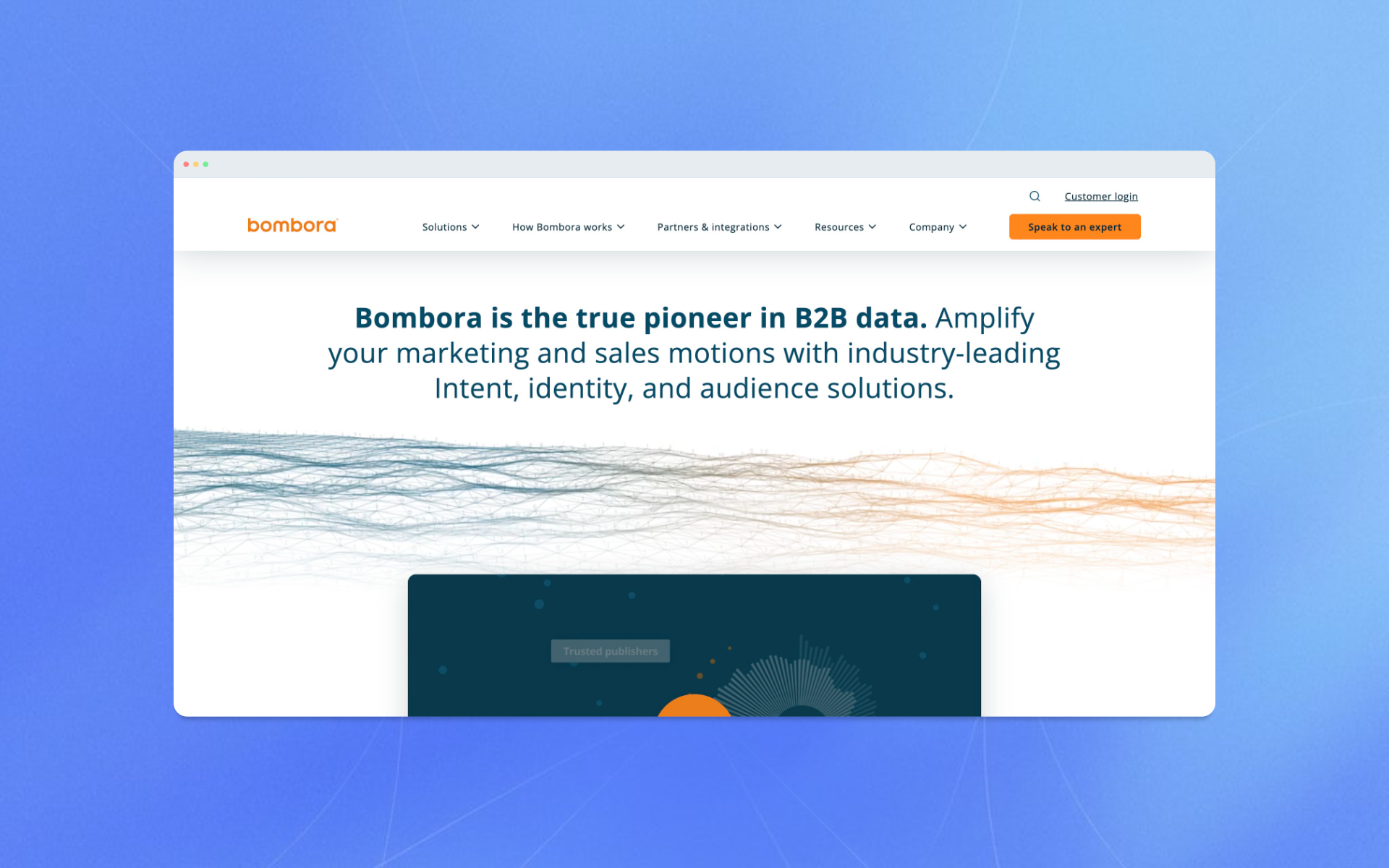
Watch out: a feed, not a programme, and the same taxonomy limits apply. It tells you something is happening and leaves the response entirely to you.
4. RollWorks – the smaller commitment
Best for: mid-market teams that need identification and advertising without an enterprise contract.
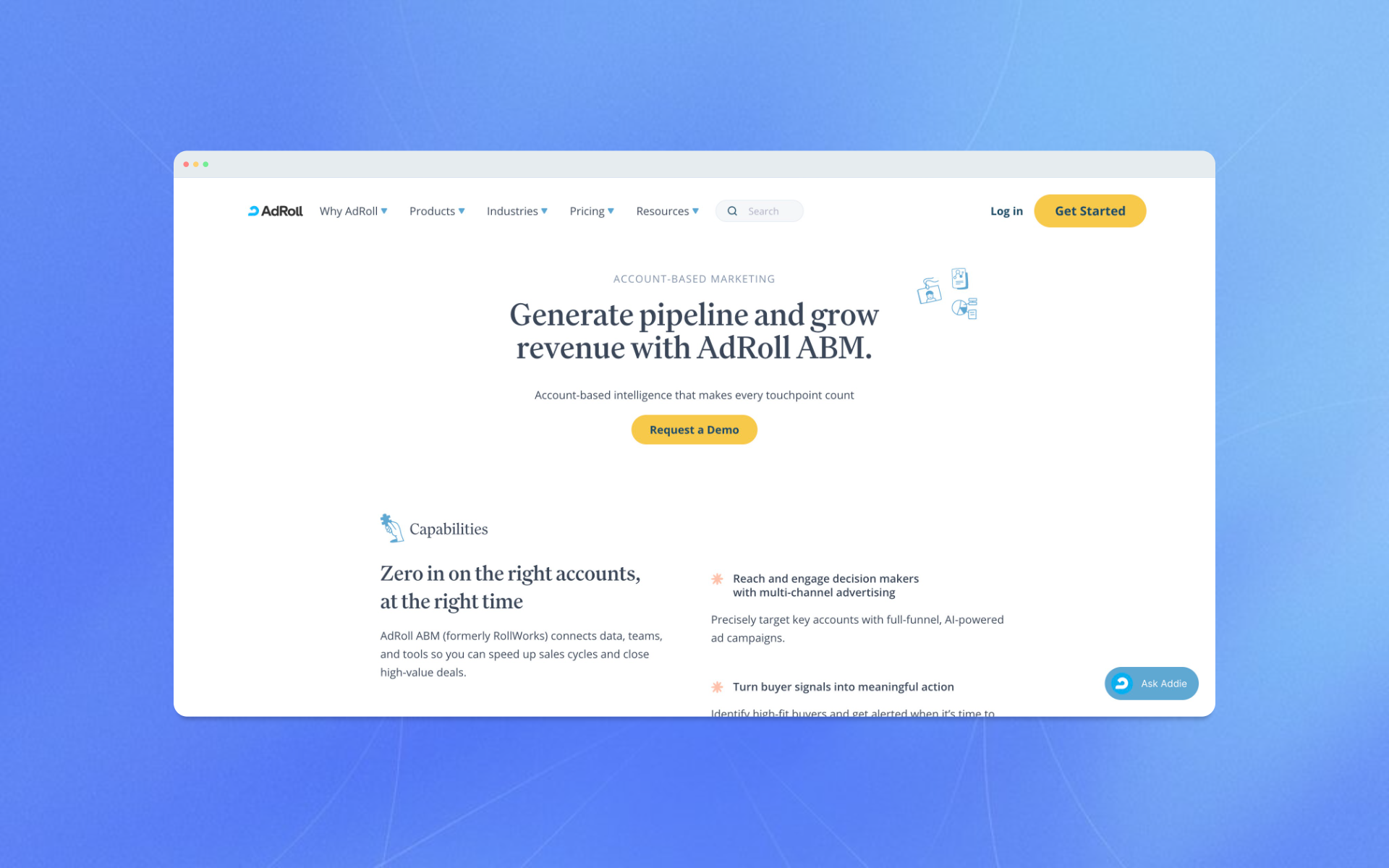
Watch out: less depth across the board. This is a deliberate step down in scope in exchange for a step down in price.
5. LinkedIn Campaign Manager – if the DSP was the point
Best for: teams whose Demandbase spend was mostly the B2B DSP, and whose buyers are reachable on LinkedIn. Running campaigns in your own ad account means you keep the bidding, the targeting and the audit trail.
Watch out: one channel, and you lose the display reach the DSP gave you across the open web.
6. Userled – if the gap was activation
Best for: teams that had the account list and still could not ship campaigns against it. Userled generates personalised microsites and pages per account from CRM data, runs 1:few and 1:1 LinkedIn campaigns, and routes engagement to reps.
.png)
The commercial model is the opposite of a bundle. LinkedIn ABM Ads and Microsites start at $2,000 a month each, the Sales Plugin at $599 a month for ten seats, published, with seats and accounts uncapped. You buy the modules you run, and the bill does not move when the list grows. Enterprise and mid-market programmes run on it alongside scale-ups and AI-native companies such as ElevenLabs, Tailscale and Unframe – the requirement is a serious ABM motion, not a particular company size.
Watch out: Userled does not identify in-market accounts and does not replace that half of Demandbase. Demandbase is a Userled partner and the two integrate; plenty of teams run both deliberately.
When to stay with Demandbase
Stay if you genuinely use three or four of the modules, because assembling the same coverage from separate vendors usually costs more than the bundle once you count the integration work and the person maintaining it. Stay if your category sits squarely inside the intent taxonomy, because then the signal is doing real work. Stay if the single account record shared between sales and marketing is load-bearing for how your teams operate, because that is the hardest thing on this page to reproduce.
Move if you are using one module and paying for four, if your industry is too narrow for the topics to discriminate, or if the identification was never your constraint.
Frequently asked questions
What is Demandbase One?
The bundled platform: account identification, intent data, a B2B demand-side advertising platform, website personalisation and the Agentbase agent layer, all sharing one account record across sales and marketing.
How much does Demandbase cost?
Demandbase does not publish pricing. Vendr's benchmark data puts the median contract at $68,591 across 185 purchases, with a range of $24,000 to $164,265 depending on which modules are switched on and how large your addressable market is.
Does Demandbase intent data work for niche industries?
Often not well. Intent runs on a topic taxonomy built for the broad B2B market, so a specialist product usually maps to a topic several levels too generic, and the accounts it surfaces are reading about the category rather than your problem. Teams in narrow verticals frequently find their own website visitor data more useful.
Is Demandbase worth it for a smaller team?
Often not, and the pricing model is the reason rather than the product. Quotes are scoped to addressable market, so a team running a few hundred accounts pays against a number far larger than the work it plans to do.
Do Userled and Demandbase compete?
No. They are partners. Demandbase tells you which accounts to work and can serve display ads to them; Userled builds the account-specific destination and runs the 1:1 campaigns. Running both is a common pattern rather than an unusual one.
Author