6sense is a predictive account identification and intent platform: it tells you which accounts are in market, which stage they are at, and who to contact. Teams look at alternatives for two reasons – the price is hard to justify against the pipeline it can be shown to create, or what they actually lack is not identification at all.
The question to ask before you shortlist anything
Are you failing to find the right accounts, or failing to do anything useful once you have found them?
This matters more than any feature comparison, because the two problems have different answers. If your target list is wrong or you genuinely cannot see which accounts are in market, you need another identification platform and the list below is your shortlist. If you already know who to go after and the programme still produces nothing, replacing 6sense with a cheaper version of 6sense will not fix it.
In practice most marketing teams already know what great ABM looks like and which accounts deserve it. They are not short of a list. They are short of a way to execute against it at enterprise speed, and no amount of better identification solves that.
Most teams that churn off 6sense do so for that reason, then buy something in the identification category again, and are disappointed a year later.
Intent data gets weaker as your category gets narrower
Third-party intent works by mapping content consumption across publisher networks to a topic taxonomy built for the whole B2B market. That is fine if you sell something the taxonomy has a good topic for.
If you sell into a niche, the closest available topic sits several levels too broad, and what surfaces is accounts reading about the category in general rather than the thing you actually do. Teams in narrow verticals regularly find the signal is not discriminating enough to act on, and that first-party website visitor data – often already available in the marketing automation platform they pay for – tells them more about who is genuinely in market.
This is not an argument against intent data. It is an argument that its value depends entirely on how well the taxonomy fits your category, and that is worth testing before you renew rather than after. Two questions to ask: which topics in the taxonomy map to what you sell, and how many of your last ten closed-won deals would the model have surfaced before your team found them?
The price floor, and who it rules out
6sense publishes no pricing at all. Its pricing page lists three bundles built around sales intelligence, data credits and predictive AI, with no figures and no free tier, so every number starts with a sales conversation scoped to your addressable market.
Demandbase, the closest comparison, is the same model. Vendr's benchmark data puts its median contract at $68,591 a year across 185 purchases, ranging from $24,000 to $164,265.
That is defensible money if you run a large programme against thousands of accounts and the predictive layer genuinely changes who your team works. It also carries an implicit floor. Below a certain size the economics stop working for the vendor, which is why the shortlist for a fifty-person company looks nothing like the shortlist for an enterprise – and why a lot of teams evaluating 6sense are really evaluating whether they are big enough to be its customer.
The six alternatives
1. Demandbase – the closest like-for-like
Best for: teams that want the same job done with advertising and website personalisation in the same contract. Demandbase One puts identification, intent, a B2B DSP and its Agentbase agent layer behind one account record.
.png)
Watch out: it is a comparable scale of commitment, not an escape from one. Same quote-only model, same enterprise floor, and the same taxonomy question if you are in a niche.
2. ZoomInfo – stronger on contacts, weaker on prediction
Best for: teams whose real gap is contact data and coverage rather than account-level prediction.
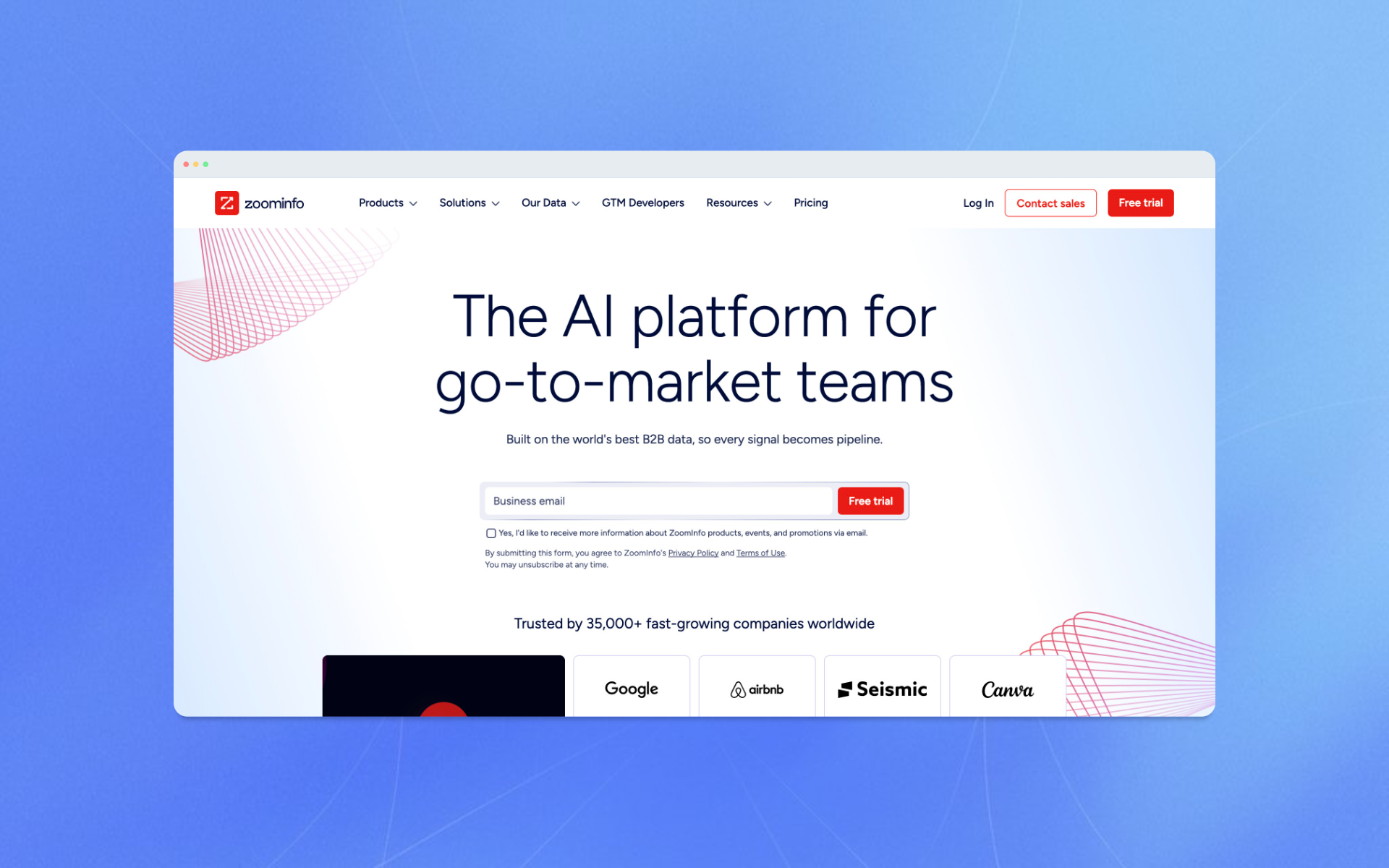
Watch out: the predictive and account-scoring layer is thinner than 6sense's. If the scoring is why you bought 6sense, this is a downgrade on the thing you cared about.
3. Bombora – the intent data underneath
Best for: teams that want the intent signal without the platform around it. Bombora is a pure intent data provider and supplies the signal that sits inside several other tools, including ZoomInfo's.
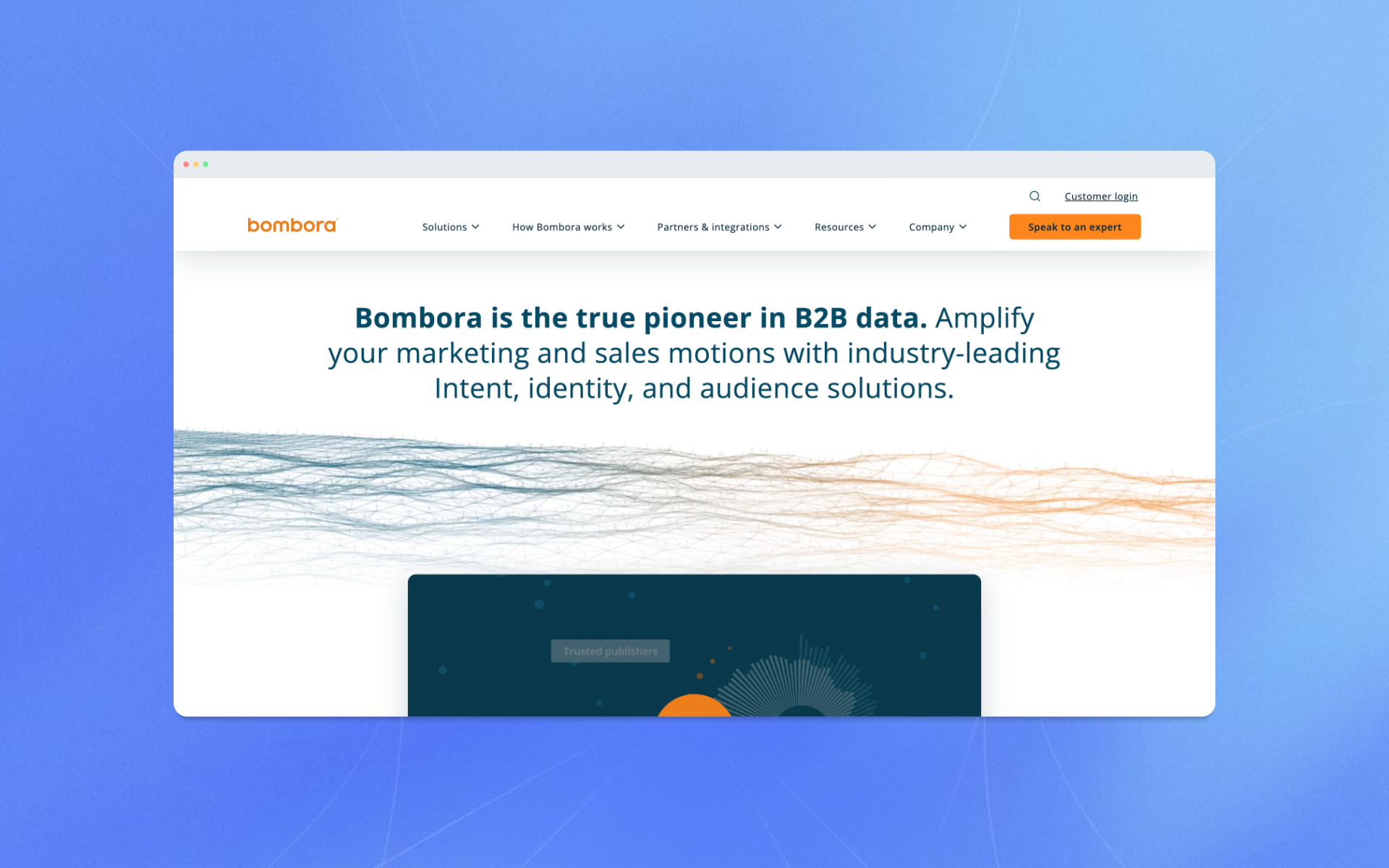
Watch out: you are buying a feed, not a workflow, and the same taxonomy limits apply. Someone on your side still has to decide what happens when a signal fires.
4. RollWorks – the mid-market cut
Best for: smaller teams that need account identification and advertising without an enterprise commitment.
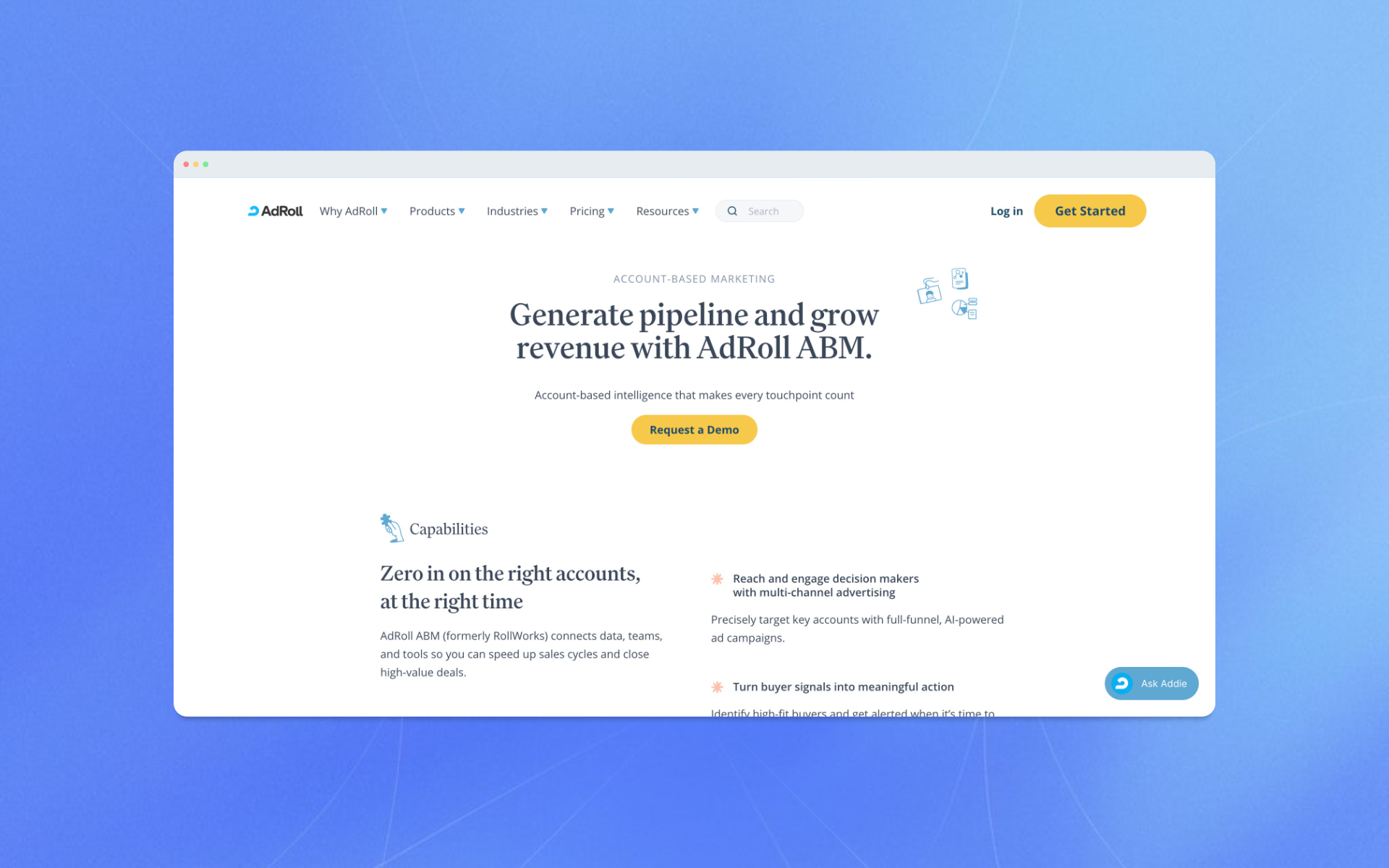
Watch out: less depth in predictive modelling, and the account data is not at 6sense's scale. Reasonable trade if the price was the reason you are here.
5. Clay – build the enrichment yourself
Best for: operations-led teams comfortable assembling their own data layer from multiple sources rather than buying one vendor's view. Useful precisely when the off-the-shelf taxonomy does not fit your category.
.png)
Watch out: flexibility costs time. This is a build, and it works beautifully until the person who built it changes team.
6. Userled – if the problem is activation, not identification
Best for: teams that already know their accounts and cannot act fast enough on them. Userled generates personalised microsites and pages per account from CRM data, runs 1:1 LinkedIn campaigns against the same list, and puts engagement signal in reps' hands.
.png)
The pricing works differently, and that is the point. LinkedIn ABM Ads and Microsites start at $2,000 a month each, the Sales Plugin at $599 a month for ten seats, published, with seats and accounts uncapped. Nothing scales with the size of your list, so the same platform carries a forty-account programme and a four-thousand-account one. Enterprise and mid-market teams run on it alongside scale-ups and AI-native companies such as ElevenLabs, Tailscale and Unframe. Serious ABM is the requirement, not headcount.
Watch out: this is not a 6sense replacement and we would rather say so. Userled does not identify in-market accounts. 6sense is a Userled partner, the two integrate, and most teams running both keep both.
When to stay with 6sense
Stay if the predictive model is genuinely informing which accounts your team works, and you can point to deals that started because 6sense flagged them. Stay if your category sits squarely inside the intent taxonomy, because then the signal is doing real work. Stay if the alternative is assembling the same view from four vendors, because that is usually more expensive than it looks once someone has to maintain it.
Move if you are paying enterprise money for a dashboard nobody opens, if your industry is too narrow for the topics to discriminate, or if the accounts were never the constraint.
Frequently asked questions
What does 6sense do?
It predicts which accounts are in market, what stage of the buying process they are at, and which contacts to reach, using intent signals and predictive models across a large B2B data set.
How much does 6sense cost?
6sense does not publish pricing. Its pricing page lists three bundles around sales intelligence, data credits and predictive AI, with no figures and no free tier, so every number comes from a sales conversation scoped to your market.
Does intent data work for niche industries?
Less well, and it is the most common reason teams in narrow verticals stop renewing. Intent runs on a topic taxonomy built for the broad B2B market, so the closest topic to a specialist product is usually too generic to discriminate. First-party website visitor data often proves more useful in those cases.
Is there a cheaper alternative to 6sense?
Yes, but check you are buying the same thing. RollWorks covers identification and advertising at mid-market scope. Bombora sells the intent feed alone. Both cost less because both do less, which is fine if the extra was not being used.
Do Userled and 6sense compete?
No. They are partners. 6sense tells you which accounts to work; Userled builds and runs the campaigns against them, and the two integrate. If you are evaluating Userled as a 6sense replacement, one of the two is not the tool you need.
Author